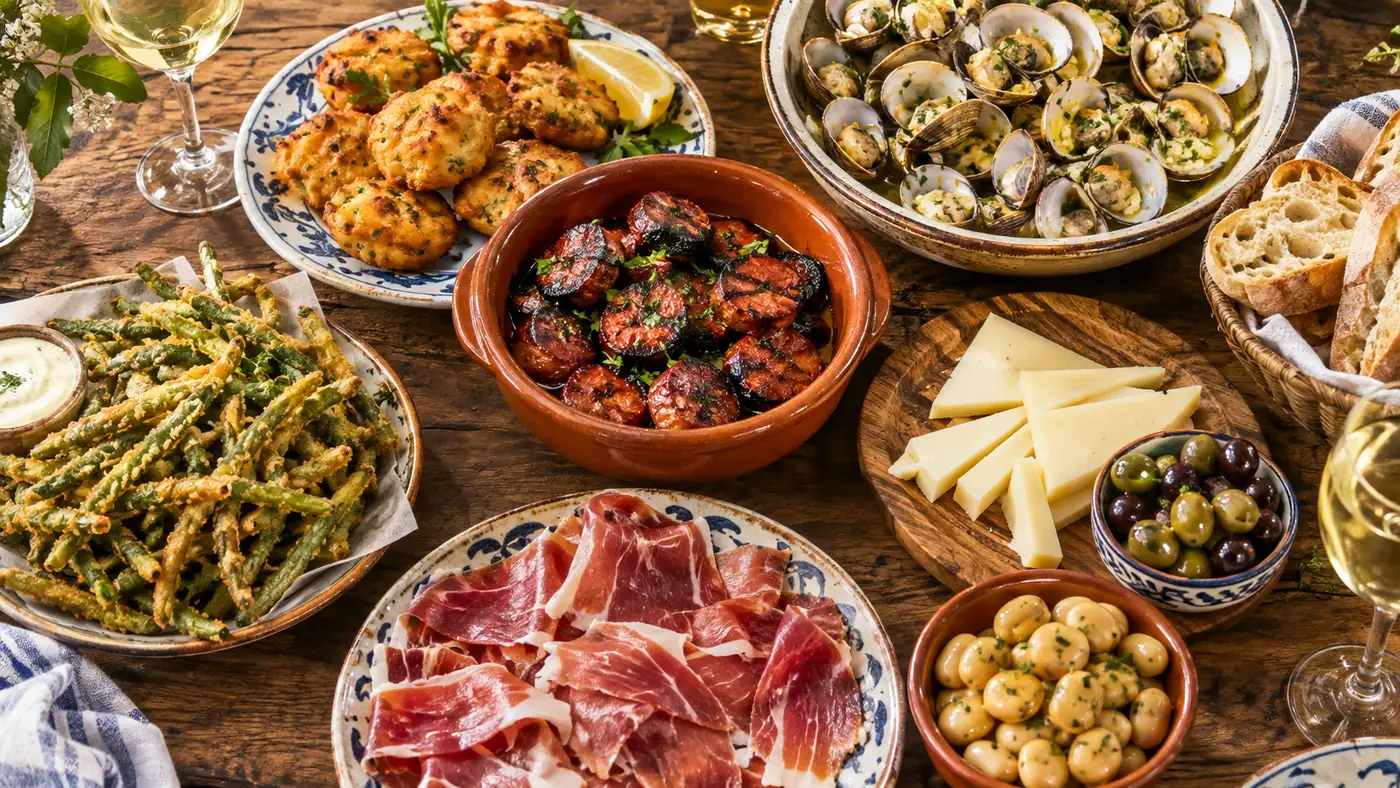
Booking choice: The Baixa food walk with petiscos and drinks, ★ 4.9 (2,193). Check dates Compare the options below
In Lisbon a drink is rarely an event of its own. It is a ginjinha on the way home, an imperial with a bifana at the counter, a glass of vinho verde with clams, a bica after lunch.
This guide explains where the original ginjinha counter is, how to drink it, what each Lisbon drink is called and which food walks pour what. For the food that goes with them, see the petiscos guide; for meal times, see where and when to eat in Lisbon.
The quick answer
Ginjinha: sour-cherry liqueur, served in a small glass; "com ou sem elas?" means with or without the cherries. The original bar: A Ginjinha (Espinheira), Largo de São Domingos, since 1840. Vinho verde: young wine from the Minho, white, rosé or red, light and fresh. Port: fortified wine from the Douro. Beer: an imperial is a small draught beer in Lisbon; a fino in Porto. Coffee: a bica is an espresso; a galão is milky coffee in a glass. Drinking age: 18 for all alcohol. On the walks: 3 to 5 drinks on most, usually including ginjinha; soft drinks on request. Cancellation: full refund if you cancel up to 24 hours ahead on every product listed here.
Where is the original ginjinha bar in Lisbon?
On Largo de São Domingos, just off Rossio. A Ginjinha (Espinheira) was founded in 1840 by Francisco Espinheira, a Galician, and is described as the first place in Lisbon to sell ginjinha.
It is a tiny shop with a marble counter and barely room for two customers inside, so people order at the door and drink standing in the square. The same family has run it for five generations, and it is on the city's register of historic shops, Comércio com História. Opening hours change, so check before you go.
Largo de São Domingos sits beside the Igreja de São Domingos, between Rossio and Praça da Figueira, right on the route of most Baixa food walks. Other small ginjinha counters line the streets nearby, each with its regulars.
What is ginjinha and how do you drink it?
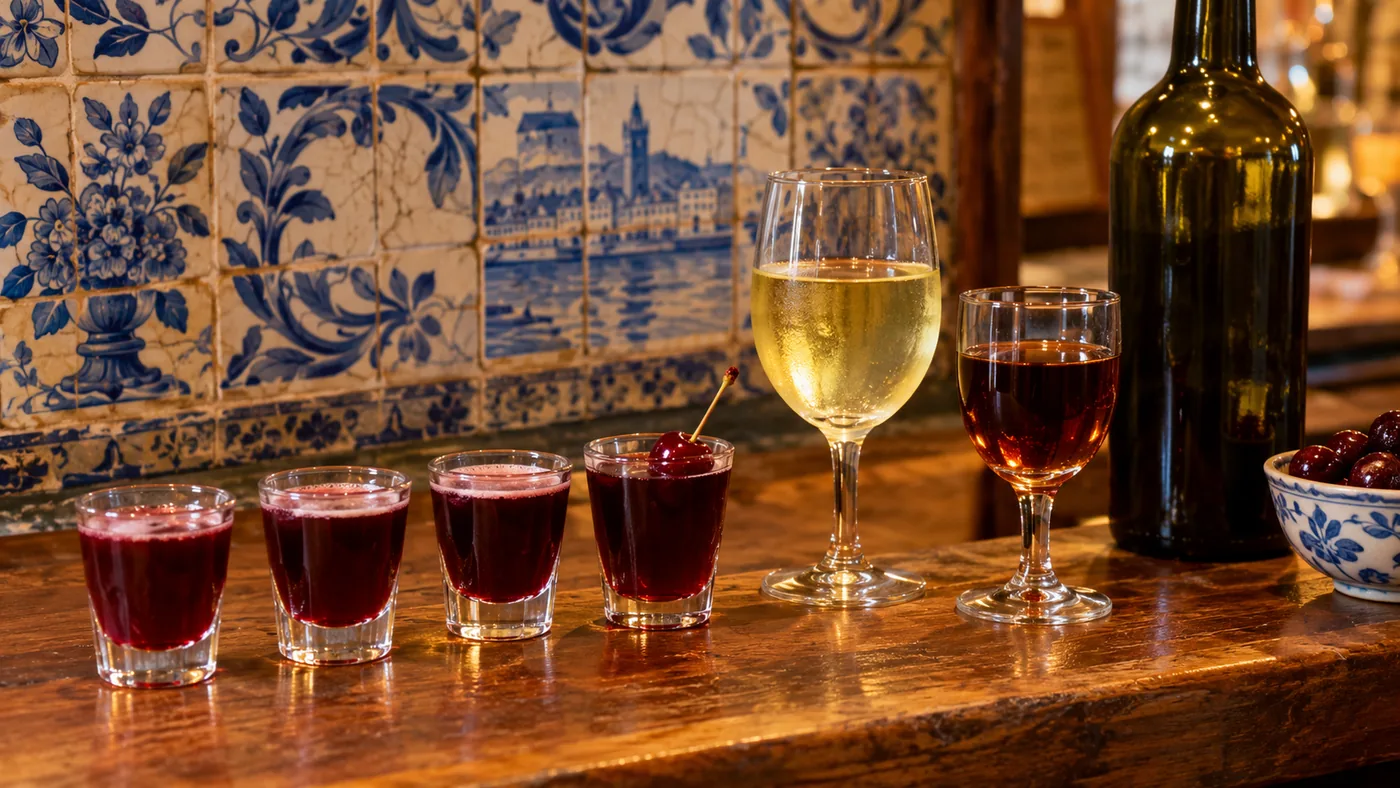
A sweet sour-cherry liqueur made from ginja cherries steeped in aguardente with sugar. You drink it in one small glass, usually standing at the counter, with or without a cherry in it.
At the counter you will be asked "com ou sem elas?": with or without them, meaning the cherries. With them, you get a soaked cherry or two at the bottom of the glass; eat it at the end, and mind the stone. The taste is sweet, tart and warming, a little like a cherry brandy.
People drink it at any time of day, often as a quick stop on the way somewhere. The two-hour city walk with nata and ginjinha (4.9 from 305 reviews) is mostly a sightseeing walk from Rossio to Alfama, with a ginjinha, a pastel de nata and chocolate on the way. It is the shortest and least costly walk on this site, and reviewers say it gives more stories than food.
Two easy hours from Rossio to Alfama with a ginjinha, a pastel de nata and plenty of stories: the shortest walk on this site.
Check dates for the two-hour walk with nata and ginjinhaWhich Lisbon food walks include a ginjinha?
Most of them. The Baixa walk, the morning walk, the walk with a meal, the vegan walk and the two-hour city walk all list ginjinha, and the nata baking class ends with a ginjinha tasting.
- Baixa Food Walk: the Baixa walk (4.9 from 2,193 reviews) includes 4 drinks: vinho verde, local beer and ginjinha.
- Morning walk: the Tastes and Traditions walk (4.9 from 1,013 reviews) stops at a family-run ginjinha counter that its listing describes as 130 years old.
- Walk with a meal: the small-group feast pauses in the Baixa for a ginjinha between the starters and the mains.
- Bairro Alto evening: the evening petiscos walk (4.9 from only 41 reviews) includes 5 alcoholic drinks across 4 stops, from Príncipe Real into Bairro Alto.
- Baking class: the pastel de nata class (4.9 from 3,209 reviews) serves homemade juice, coffee, port and a ginjinha tasting.
Drinks on a walk are tasting pours spread over about 3 hours, between food. If you want more, you can usually order extra at a stop.
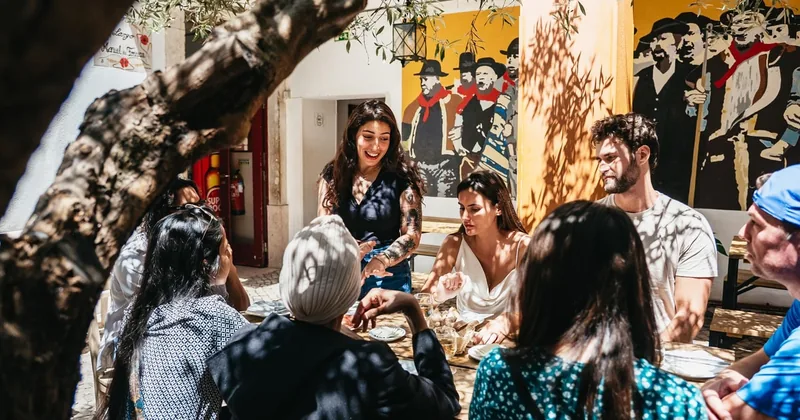
The most booked walk on this site: 3 hours through the flat Baixa with 8 tastings and 4 drinks, vinho verde, local beer and ginjinha, at taverns and family-run restaurants. Rated 4.9 from 2,193 reviews.
Explore the Baixa food walk with petiscos and drinksIs vinho verde actually green?
No. Verde means young: vinho verde is a wine from the Minho, in the north-west of Portugal, made to be drunk fresh. It comes in white, rosé and red styles.
The Vinho Verde region lies between the Minho and Douro rivers. The white is the one you will meet most in Lisbon: light, fresh and often slightly spritzy, lovely with seafood, codfish cakes and clams on a warm evening. Ask for "um copo de vinho verde" (a glass of vinho verde). The official regional body has background on the Vinho Verde website.
Lisbon taverns also pour plenty of reds and whites from the Alentejo, the Douro and the Lisbon region, often by the glass or in a small jug. If you are not sure, ask for the house wine, the vinho da casa.
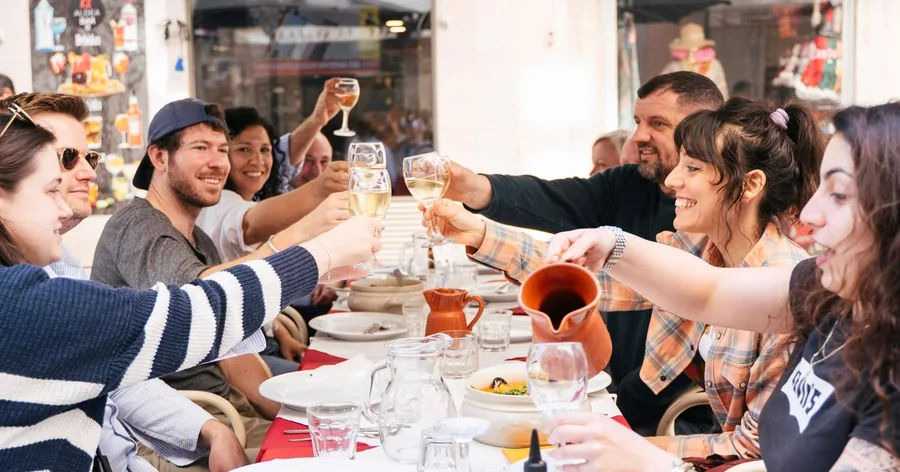
What is the difference between an imperial and a fino?
Nothing but the word. Both mean a small glass of draught beer: you order an imperial in Lisbon and the south, a fino in Porto and the north.
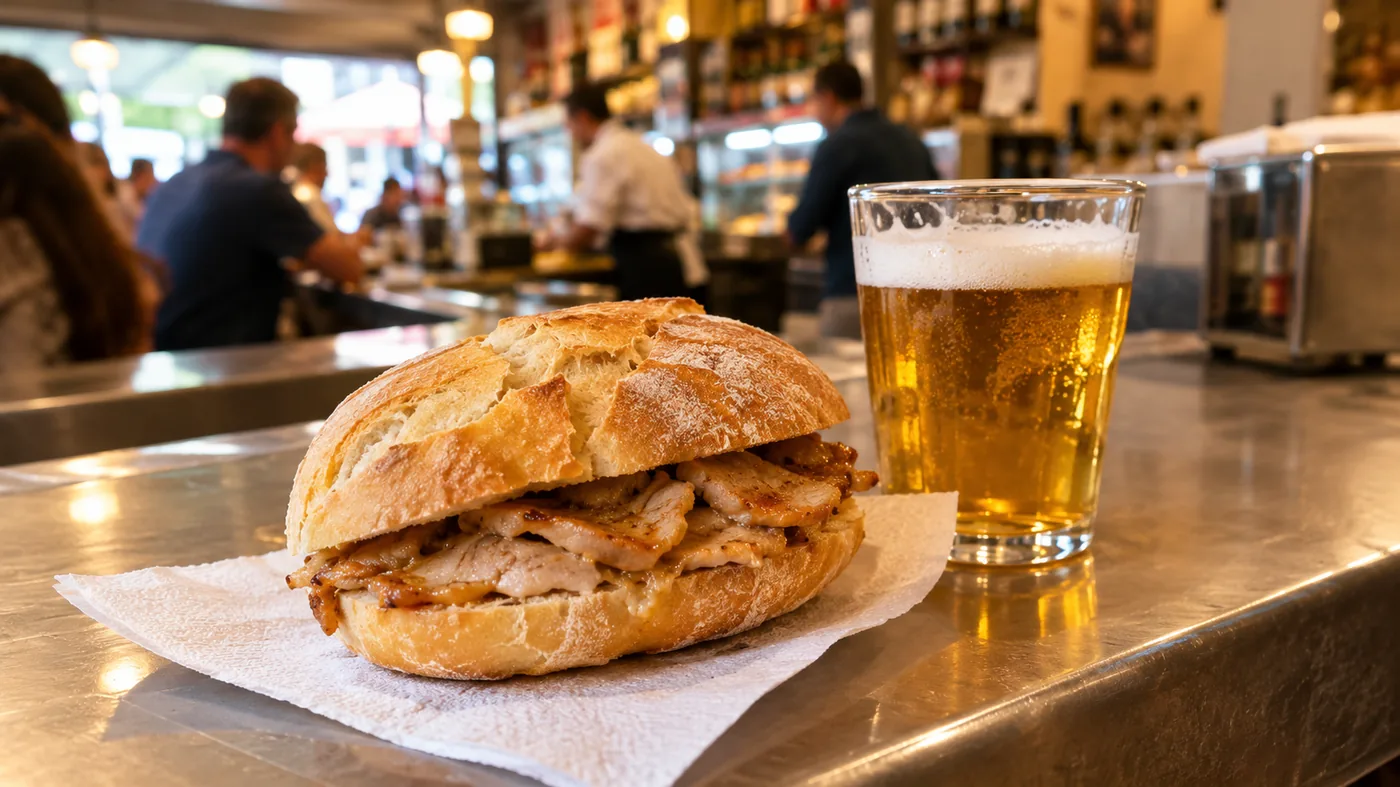
The Lisbon name goes back to the early 20th century, when the Germânia brewery, later Portugália, sold its draught beer as Imperial. A small glass stays cold to the last sip, which is why locals order one, then another. An imperial with a bifana at a zinc counter is one of the most Lisbon things you can do.
The drinks on the Bairro Alto evening walk come with fire-roasted chouriço, bread and cheese at a neighbourhood hangout, and the walk goes uphill, so pace yourself. The Baixa walk includes a local beer among its 4 drinks.
An evening from Príncipe Real into Bairro Alto: 4 stops, 7+ tastes, 5 drinks and a miradouro at dusk, with hills on the way.
Check dates for the evening walk in Bairro AltoWhere can you taste port and Portuguese wine in Lisbon?
On a seated tasting. The wine and petiscos tasting near Avenida da Liberdade pours 5 Portuguese wines in 2 hours, and the nata baking class serves a glass of port with your tarts.
Port, vinho do Porto, is a fortified wine from the Douro valley, sweet and rich, usually served in a small glass after a meal. The Portuguese wine and petiscos tasting (4.8 from 140 reviews) on Rua Rodrigues Sampaio is a seated 2 hours with 5 wines by the glass, 5 artisanal cheeses, 5 Iberian pork sausages, pata negra ham cured for more than 30 months, and jams. The charcuterie is in the Spanish style rather than Portuguese petiscos, and it is not a walk.
For a daytime version, the wine tasting with cheese (4.7 from 389 reviews) is a seated 2 hours with a light lunch.
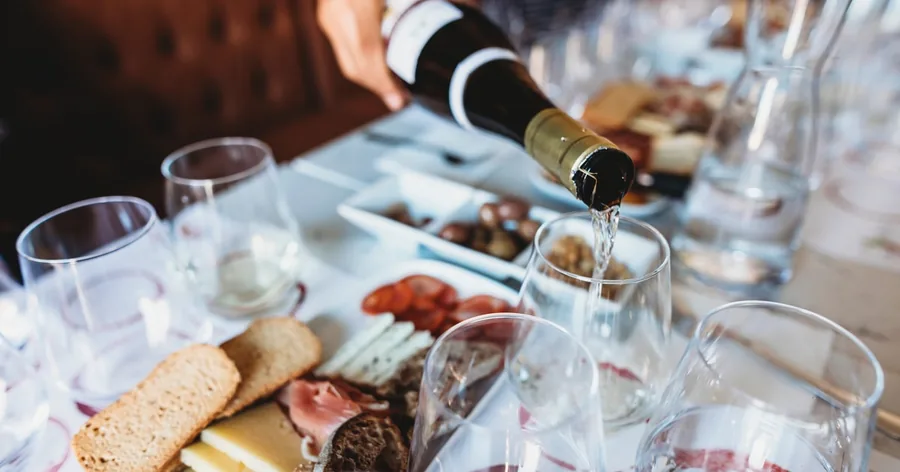
Five Portuguese wines by the glass, artisanal cheeses, Iberian sausages and long-cured ham, seated for 2 hours near Avenida da Liberdade.
Check dates for the wine and petiscos tastingHow do you order coffee in Lisbon?
Ask for a bica if you want an espresso, and a galão for milky coffee served in a tall glass. Most people drink coffee standing at the counter.
The bica is short, strong and served in a small cup. A popular story says the name comes from a sign at the café A Brasileira in Chiado reading "Beba Isto Com Açúcar" (drink this with sugar), but nobody has proved it. A galão is the morning drink, often with a toasted roll or a pastel de nata. The table sums up the drinks you will see on any Lisbon menu.
| Drink | What it is | How to order |
|---|---|---|
| Ginjinha | Sour-cherry liqueur in a small glass | "Uma ginjinha, com elas" (with the cherries) or "sem elas" |
| Vinho verde | Young, fresh wine from the Minho, white, rosé or red | "Um copo de vinho verde" |
| Vinho do Porto | Fortified sweet wine from the Douro | "Um Porto", usually after a meal |
| Imperial | Small glass of draught beer (fino in Porto) | "Uma imperial" |
| Bica | Espresso | "Uma bica" at the counter |
| Galão | Milky coffee in a tall glass | "Um galão" with breakfast |
What is the drinking age in Portugal?
18 for all alcohol, since 2015. Under-18s can join most food walks and get soft drinks instead.
Before 2015 the age for wine and beer was 16; today the same limit of 18 applies to beer, wine and spirits. On the walks, children and non-drinkers usually get soft drinks: the small-group walk with a meal lists drinks without alcohol for both, and the Baixa walk offers them at every stop. The baking class is not suitable for children under 6.
Most walks pour 3 to 5 drinks over about 3 hours, always with food, so it stays relaxed. Bring water on warm days, and wear shoes with grip: the polished limestone pavement gets slippery after rain. Choosing between the walks is easier with Lisbon food tours compared.
Frequently asked questions
What does "com ou sem elas" mean?
With or without them. At a ginjinha counter it means with or without the cherries in your glass.
Is ginjinha strong?
It is a sweet liqueur, stronger than wine, served in a small glass, so one is usually enough.
What is an imperial in Lisbon?
A small glass of draught beer. In Porto and the north the same glass is called a fino.
Do food walks in Lisbon include alcohol?
Most include 3 to 5 drinks such as vinho verde, beer and ginjinha. Soft drinks are offered instead on request.
Ready to book
Choose your walk
Check your date and the live price on GetYourGuide; the refund terms are shown on each option.
Baixa Food Walk with Petiscos and Drinks
- A foodie guide who knows each stop
- 8 tastings: petiscos, seafood, a bifana and dessert
- 4 drinks: vinho verde, local beer and ginjinha
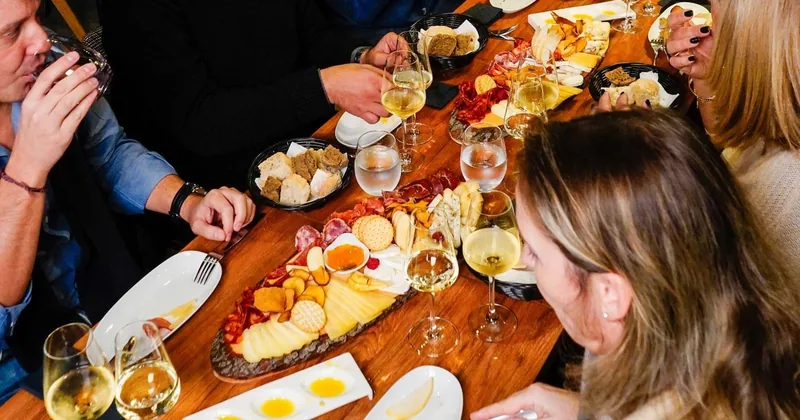
Portuguese Wine and Petiscos Tasting
A seated tasting of five Portuguese wines with cheeses, cured sausages and long-cured Iberian ham; no walking
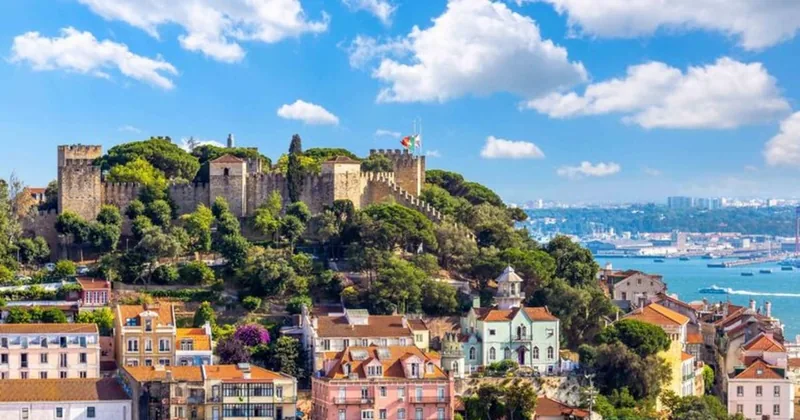
Two-Hour City Walk with Nata and Ginjinha
Mostly a sightseeing walk through Baixa and Alfama, with a pastel de nata and ginjinha; little food, lots of stories