Booking choice: The Tastes and Traditions morning walk, ★ 4.9 (1,013). Check dates Compare the options below
Eating well in Lisbon is mostly a matter of timing. Arrive at a tasca at 19:00 and you may find the kitchen still closed; come at 13:30 and every table is taken by people from the offices nearby.
This guide covers when people eat, which days to watch, how Time Out Market compares with a tasca, where to try pastel de nata and where to hear fado over dinner. What to order is in the petiscos guide, and the food walks side by side are in Lisbon food tours compared.
The quick answer
Lunch: from about 13:00, kitchens often open from about 12:30. Dinner: from about 20:00; a 19:00 food walk is an early dinner by local standards. Between services: many restaurants close in the afternoon, but cafés and pastry shops stay open. Sundays and Mondays: many neighbourhood taverns close on Sunday, some on Monday; the tourist centre is less affected, so check before you go. Time Out Market Lisboa: Cais do Sodré, opened in 2014, dozens of counters, convenient and busy. Pastel de nata: Pastéis de Belém, Confeitaria Nacional and Manteigaria are three classic addresses; try more than one. Fado dinner: a seated evening in a fado house, quiet during the songs. June: Santo António, grilled sardines and street parties. Cancellation: full refund if you cancel up to 24 hours ahead on every walk listed here.
What time do people eat dinner in Lisbon?
From about 20:00, and often later at weekends. Lunch runs from about 13:00 to 15:00, and many kitchens close between the two services.
Kitchens usually open for lunch from about 12:30, and the busiest hour is just after 13:00. In the afternoon many restaurants close, while cafés, pastry shops and snack bars keep serving coffee, a pastel de nata or a bifana. Dinner starts from about 20:00. A food walk that begins at 18:00 or 19:00 is an early dinner by local standards, which means quieter tables and an evening still ahead of you.
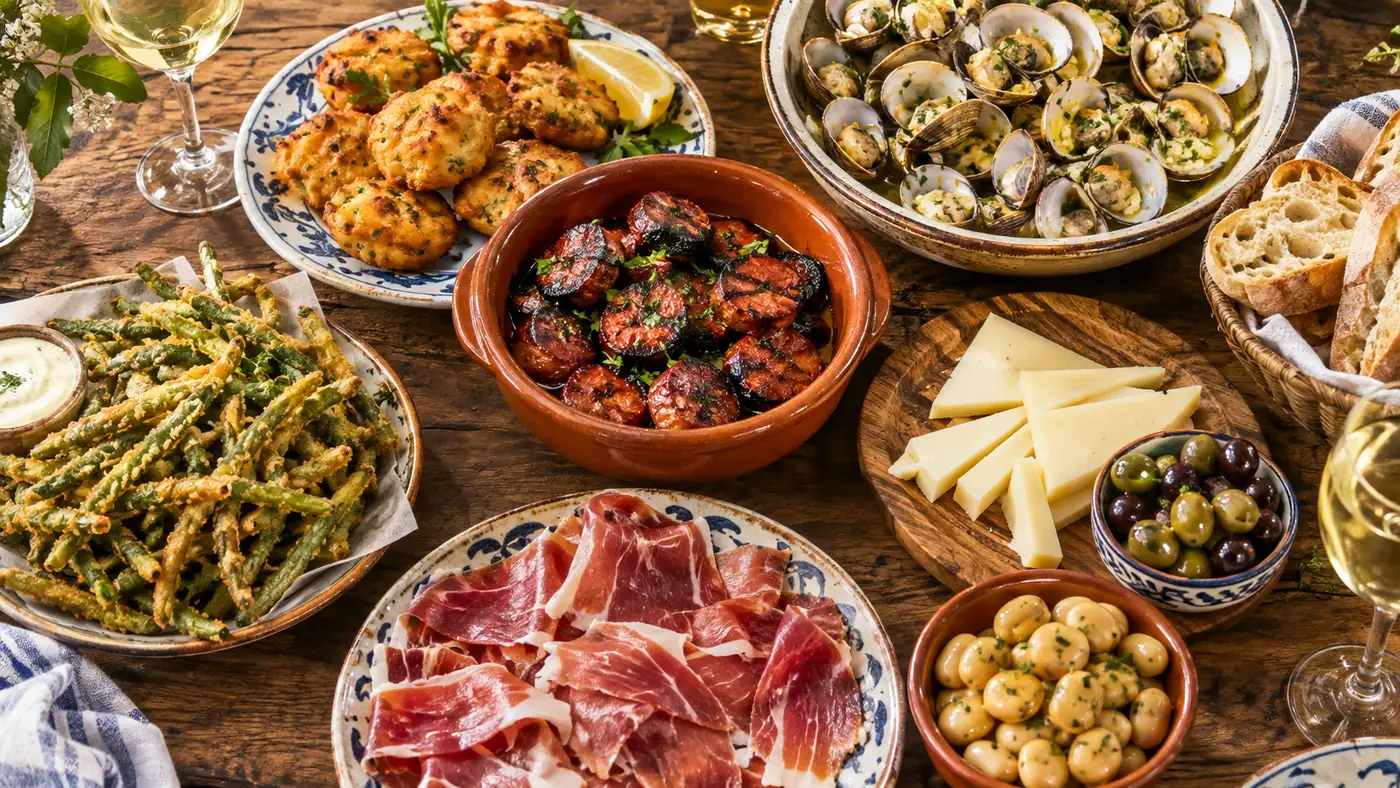
If you like to eat earlier, a morning walk fits the city's rhythm well. The Tastes and Traditions morning walk (4.9 from 1,013 reviews) starts with pastries and a bica and ends with a home-style lunch at a tasca, right when Lisbon sits down to eat. For a slower midday, the wine tasting with cheese (4.7 from 389 reviews) is a seated 2 hours with a light lunch.
| Time | What locals eat | Where |
|---|---|---|
| Morning, from about 8:00 | A bica or a galão with a pastel de nata or a toasted roll | A pastry shop or café counter |
| Midday, from about 13:00 | The prato do dia, soup, grilled fish or meat | A tasca or a neighbourhood restaurant |
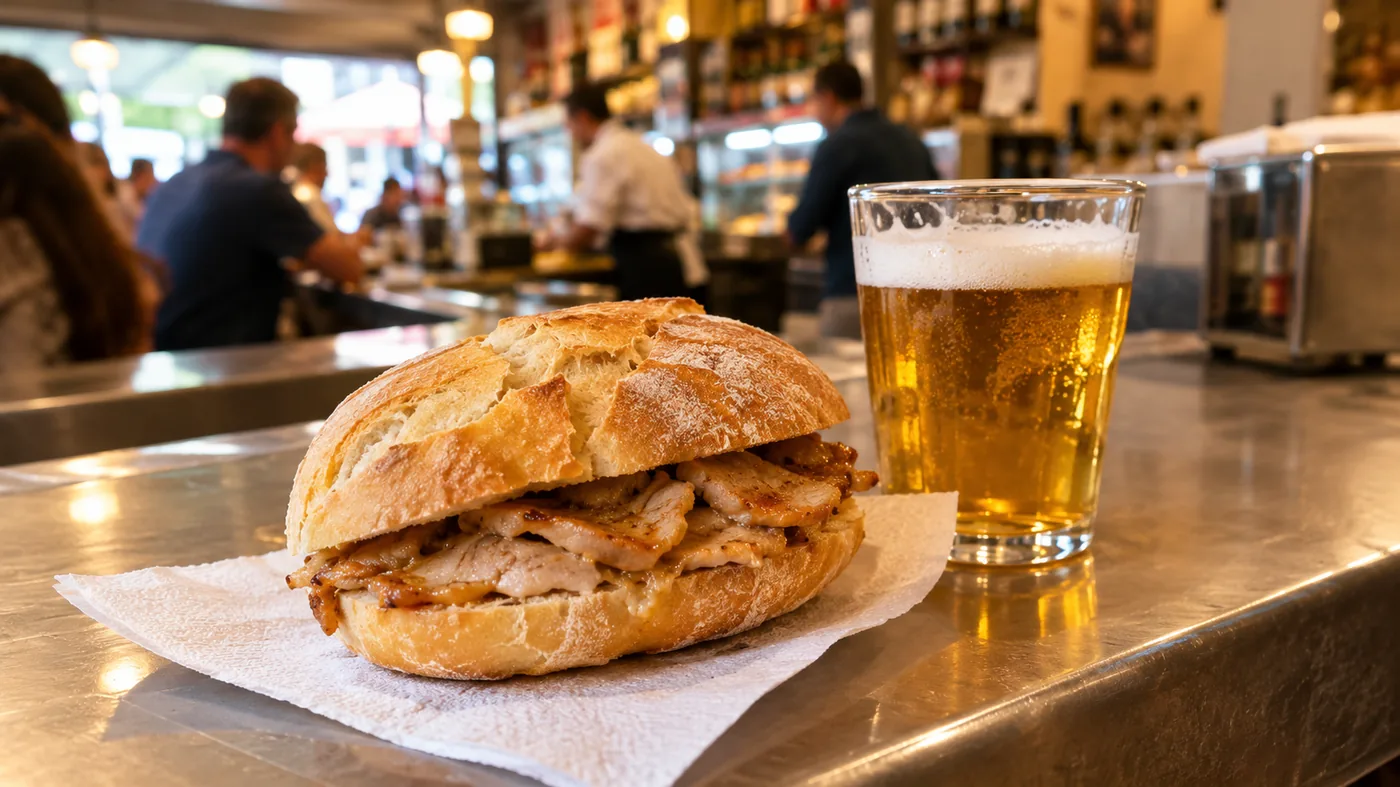
| Afternoon | A coffee and a pastry, or a bifana with an imperial | A café or snack bar |
| Early evening | Petiscos with a glass of wine or a beer | A tavern counter or a wine bar |
| From about 20:00 | Dinner: petiscos to share, then a main dish | A tasca, a restaurant or a fado house |
| Late night | A ginjinha or a beer outside | Bairro Alto or Cais do Sodré |
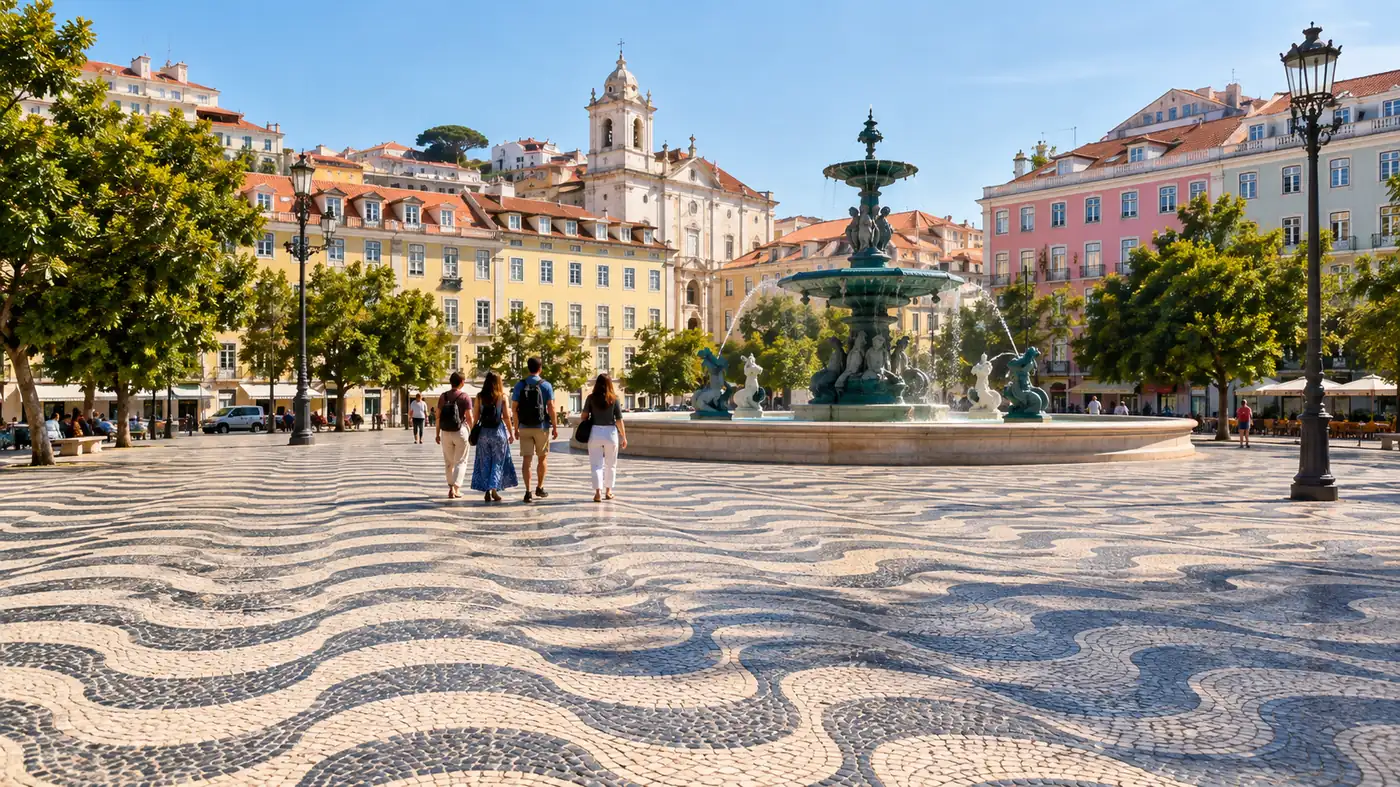
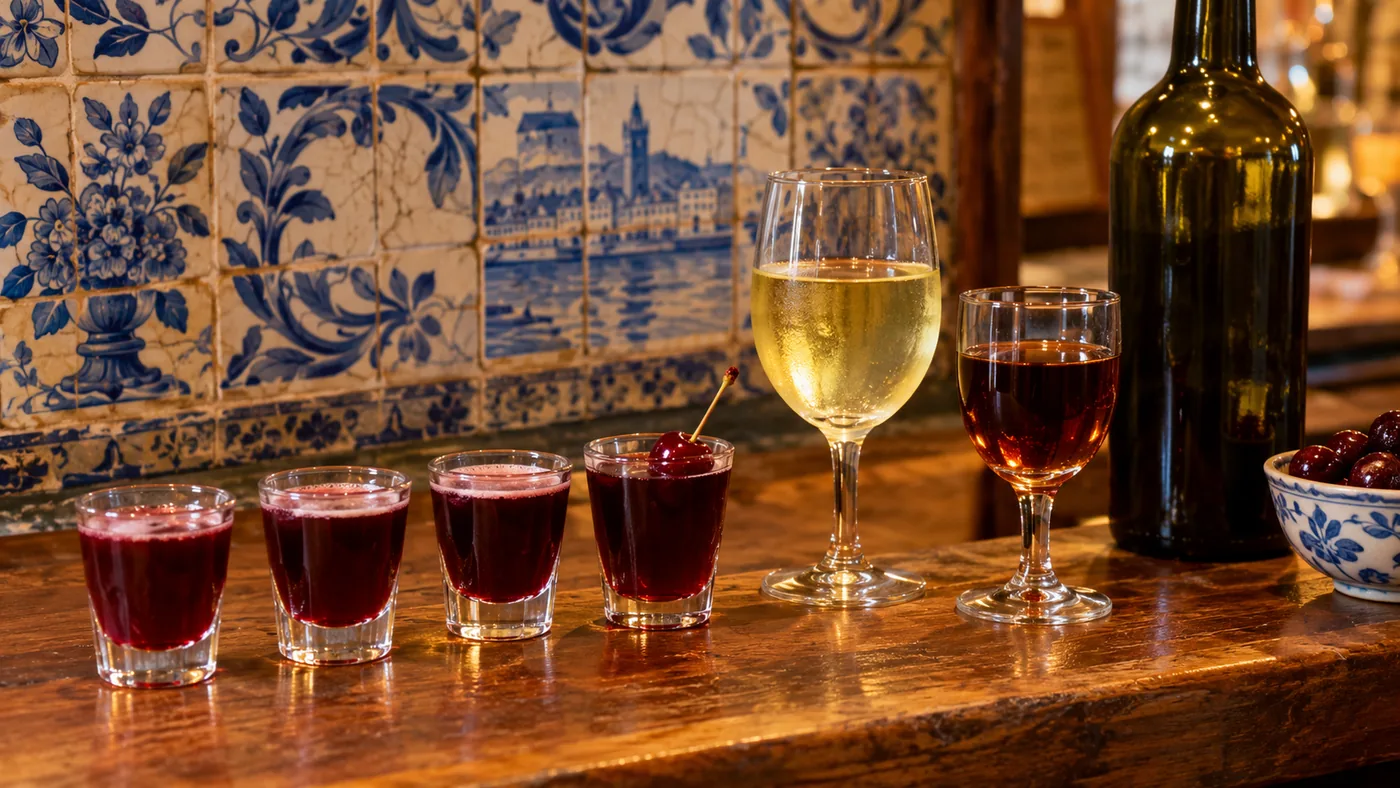
Breakfast and lunch on one walk: pastries at a historic shop, a grocery, ginjinha and a tasca lunch, in a small group from Praça da Figueira.
Check dates for the Tastes and Traditions morning walkAre Lisbon taverns open on Sundays and Mondays?
Often not. Many neighbourhood tascas close on Sunday and some on Monday, and many open only for lunch. The tourist centre is less affected.
The small family-run taverns in residential streets keep their own rhythm. Some serve only lunch on weekdays, some close for a week or two in summer, and the opening hours on the door are not always up to date. Around the Baixa, Chiado and Cais do Sodré you will always find somewhere open, but the place a friend recommended in a quieter neighbourhood may well be shut on a Sunday evening.
- Check before you go: look at recent reviews or call, especially on Sundays, Mondays and public holidays.
- Plan Sunday lunch early: it is a family meal, and popular places fill by 13:30.
- Use the centre on quiet days: the Baixa and Cais do Sodré stay busy every day of the week.
Is Time Out Market Lisbon worth it?
Yes, if you want choice under one roof. Time Out Market Lisboa has dozens of counters run by known chefs and restaurants, so a group can each eat something different and sit together.
The market opened in May 2014 inside the old Mercado da Ribeira at Cais do Sodré, and it was the first Time Out Market in the world. You order at the counters, collect your plate and find a seat at the long shared tables. It is practical when you are short of time, travelling with people who want different things, or arriving by train or ferry at Cais do Sodré. The opening hours and the list of counters are on the official Time Out Market Lisboa website.
It works best at off-peak hours. At lunch and dinner on weekends, finding a seat can take a while, so come just before 13:00 or after 15:00, or early in the evening.
Is Time Out Market a tourist trap?
Not a trap, but a different experience. The food is good and convenient, but the hall is busy and costs more than a tasca; a tasca or a food walk shows you how Lisbon eats day to day.
Time Out Market is a curated food hall: the counters were chosen for their names, and the cooking is reliable. What it cannot give you is the tasca feeling: a small room, a waiter who has worked there for decades, the prato do dia chalked on a board and a neighbour at the next table. Both are worth having on one trip.
If you want the tavern side with someone to explain it, the Baixa food walk (4.9 from 2,193 reviews, the most booked on this site) takes you to taverns, family-run restaurants and street-food counters with pre-booked tables. The Lisbon food walk with a local guide (4.8 from 138 reviews) is another 3-hour option, with possible tastings such as croquettes, a bifana, caldo verde or sardines.
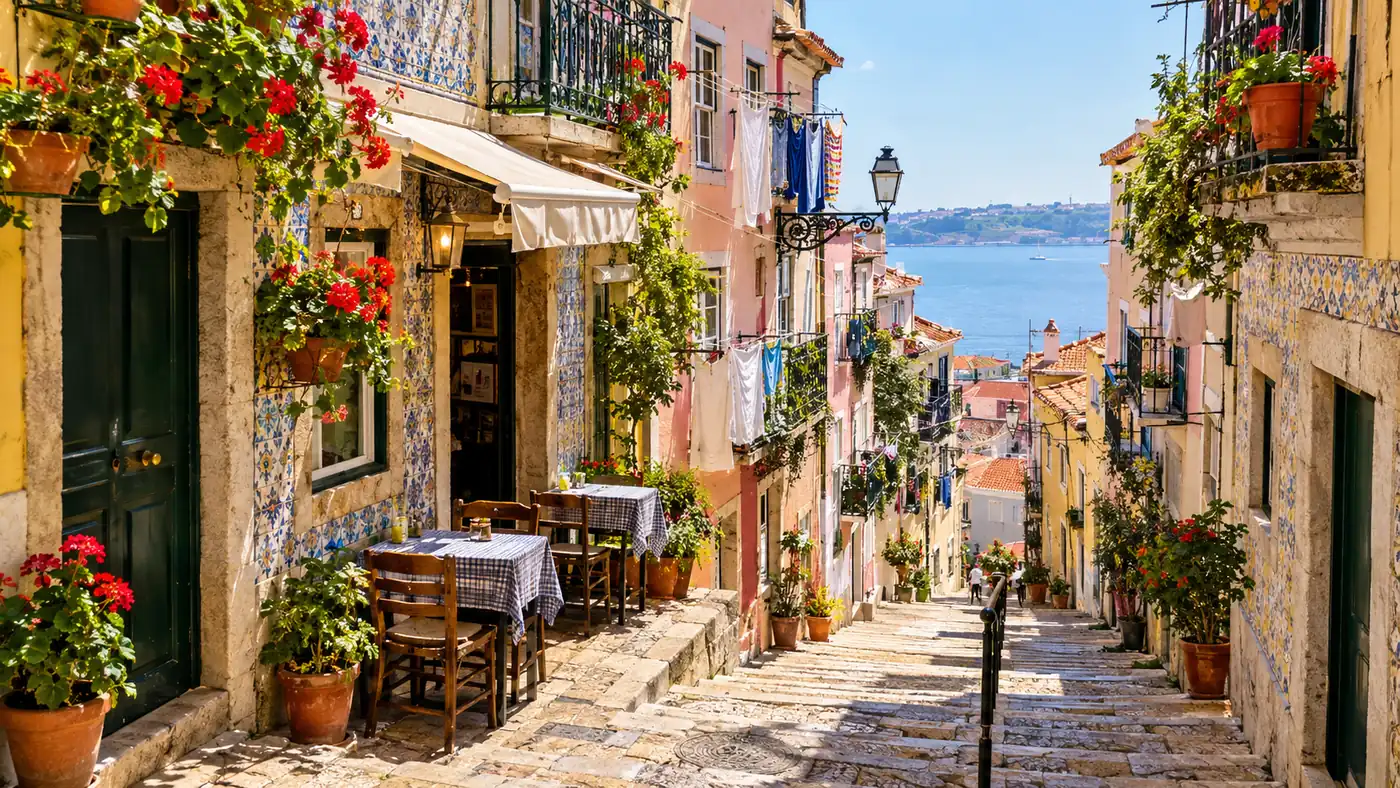
Taverns, family-run restaurants and a bifana counter across the flat Baixa: 8 tastings, 4 drinks and tables booked ahead.
Check dates for the Baixa food walk with petiscos and drinksWhat is the best pastel de nata in Lisbon?
There is no single answer, so try more than one. Three classic addresses are Pastéis de Belém, selling since 1837, Confeitaria Nacional on Praça da Figueira, open since 1829, and Manteigaria in Chiado, since 2014.
- Pastéis de Belém: on Rua de Belém, near the Jerónimos Monastery. The bakery has sold its tarts since 1837 to a recipe still kept secret, and the name is its trademark, so only its own tarts are called Pastéis de Belém. More on the bakery's official site.
- Confeitaria Nacional: on Praça da Figueira, open since 1829 and run by the same family for six generations: a pastry shop that is one of the oldest in the city. Its story is on its own website.
- Manteigaria: on Rua do Loreto in Chiado, opened in 2014 in a building with an Art Nouveau façade.
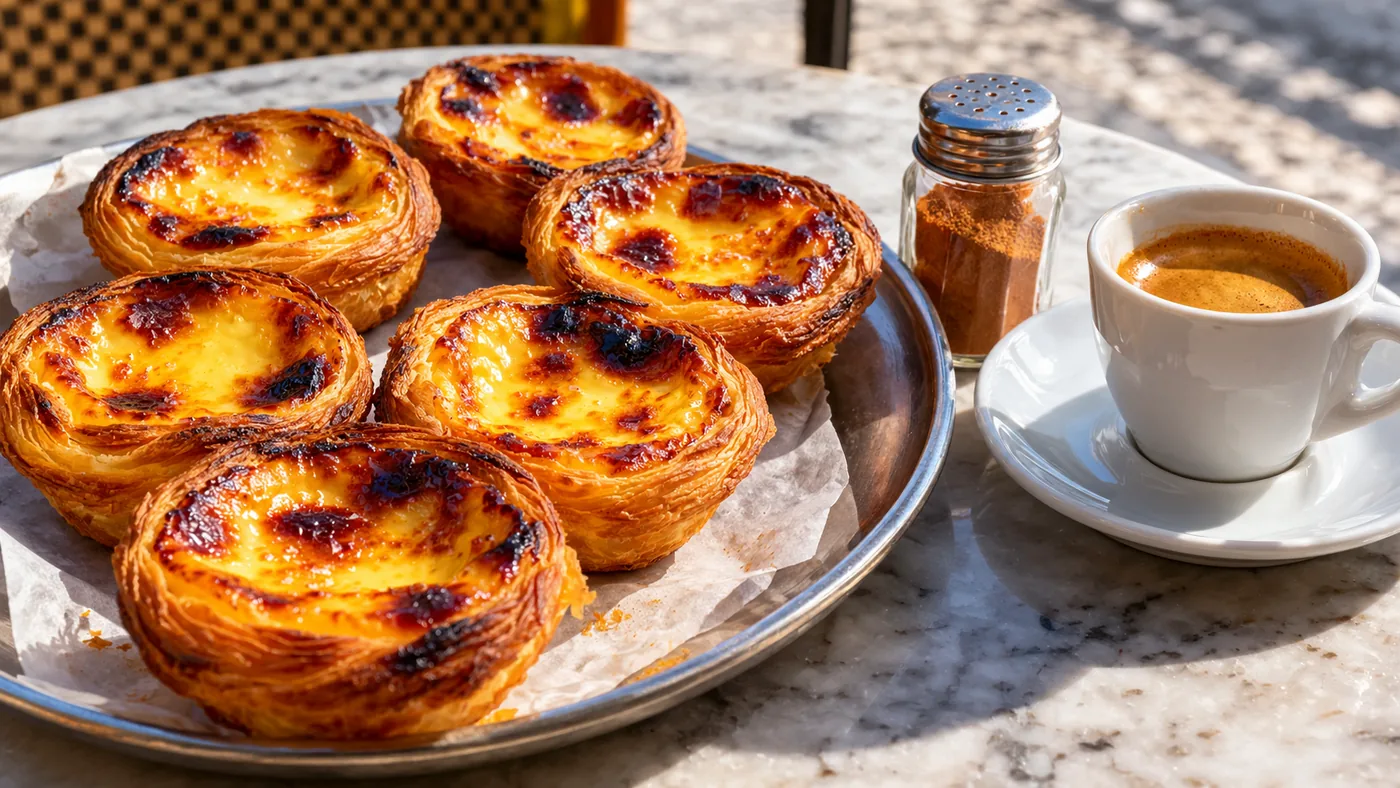
Eat them warm, with a dusting of cinnamon if you like, and a bica. If you want to see how they are made, the pastel de nata baking class (4.9 from 3,209 reviews, the most reviewed food experience on this site) lets you make the dough and custard with a chef in 2 hours.
Is Pastéis de Belém better than Manteigaria?
They are different, so try both. Pastéis de Belém is a historic bakery in Belém with a secret recipe from 1837; Manteigaria is a modern counter in Chiado, easy to fit into a walk around the centre.
Going to Belém is a half-day trip west of the centre, and it pairs naturally with the Jerónimos Monastery, where the recipe began. The bakery is large, with several rooms, and the queue for takeaway often moves faster than the wait for a table. Manteigaria is a small counter on the edge of Chiado where you eat standing, so it fits between two other stops.
Which one you prefer is a matter of taste, and Lisbon visitors argue about it happily. A pastel de nata also closes most food walks here, so you may taste a third version before you choose.

Make your own: a 2-hour class in a Lisbon kitchen where a chef guides you from the dough to the custard, and you eat your batch warm with coffee, port and a ginjinha tasting. Rated 4.9 from 3,209 reviews.
Explore the pastel de nata classWhere can I hear fado with dinner in Lisbon?
In a fado house in Alfama or nearby, where petiscos and wine come between the sets and you stay quiet while they sing. Fado has been on UNESCO's intangible heritage list since 2011.
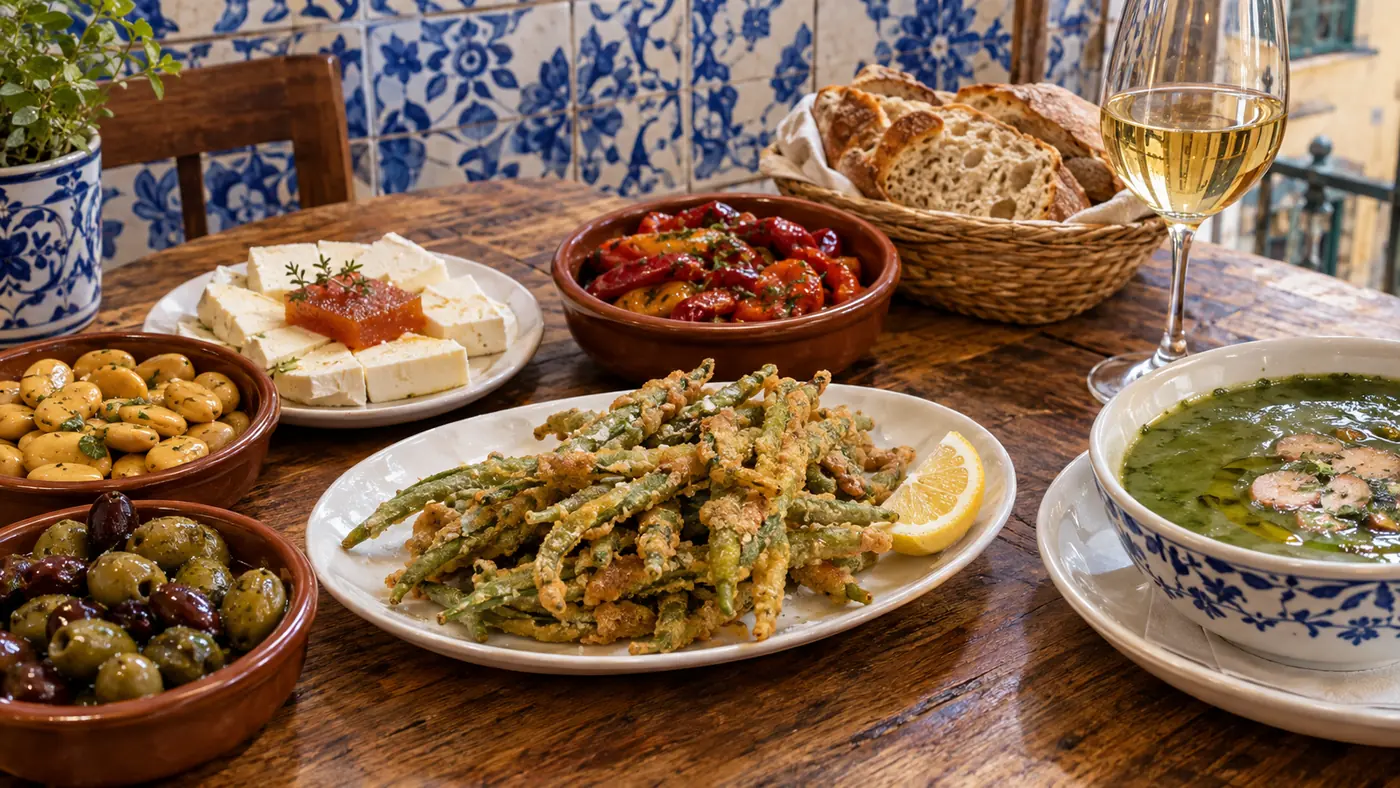
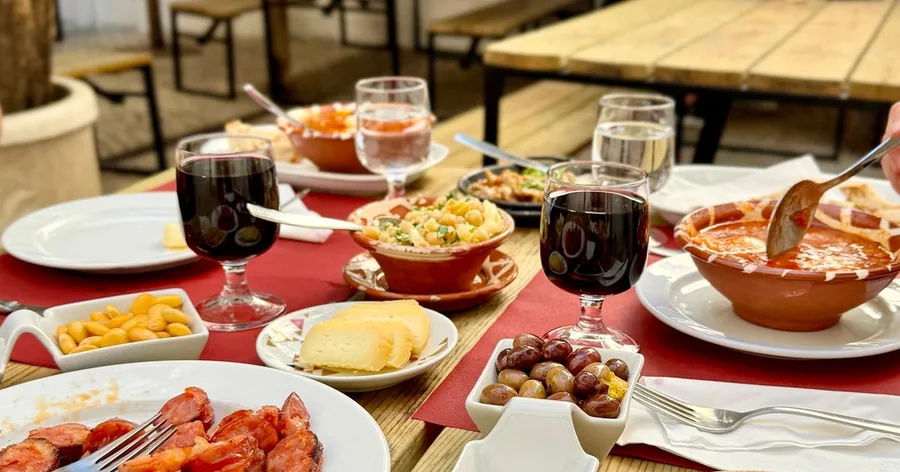
Petiscos and wine with live fado (4.7 from 1,156 reviews) is a seated evening of about 3 hours at Associação do Fado Casto on Rua de São Mamede, in a Pombaline building over the Roman theatre. Long tables fill with Portuguese finger food such as bean soup, peixinhos da horta, pataniscas and chouriço assado, with wine and soft drinks. It is not a walk, and spirits and cocktails are extra.
If you only want the music, the short fado show with a glass of wine (4.8 from 7,138 reviews) lasts 50 minutes in Alfama, with no dinner. In some taverns you may also hear fado vadio, sung by regulars who stand up when they feel like it. The background is on UNESCO's fado page.

A seated fado evening in an Alfama fado house, with long tables of petiscos and wine between the songs.
Check dates for the petiscos and fado eveningWhat do people eat in Lisbon during Santo António in June?
Grilled sardines, above all. All through June, street parties called arraiais fill Alfama, Mouraria, Graça, Bairro Alto and other old quarters with charcoal grills, bread, beer and music.
The Festas de Lisboa last the whole month. The big night is 12 June, the eve of Santo António, when the Marchas Populares parade along Avenida da Liberdade from 21:00, open to all along the avenue, and Alfama and Mouraria stay loud until late. 13 June is a Lisbon public holiday. You will see small basil pots, the manjericos, given as gifts, and sardines on bread everywhere. Programmes are on Visit Lisboa.
Early summer also brings caracóis, small snails, with signs saying "Há caracóis" from about May to August. On the food walk with a local guide, sardines are among the possible tastings, and the evening walks in June often pass arraiais being set up. Expect crowds on the main nights and plan dinner early or very late.

Frequently asked questions
What time do restaurants open for dinner in Lisbon?
Most open from about 19:00 to 19:30, but locals usually sit down from about 20:00.
Is Time Out Market Lisboa open every day?
It opens daily, with hours that change by season, so check the official website before you go.
Where did the pastel de nata come from?
From the Jerónimos Monastery in Belém. Since 1837 a bakery nearby has sold the tarts as Pastéis de Belém, its trademark name.
Is the fado evening a walking tour?
No. It is a seated evening in a fado house with petiscos and wine, about 3 hours long.
Ready to book
Choose your walk
Check your date and the live price on GetYourGuide; the refund terms are shown on each option.
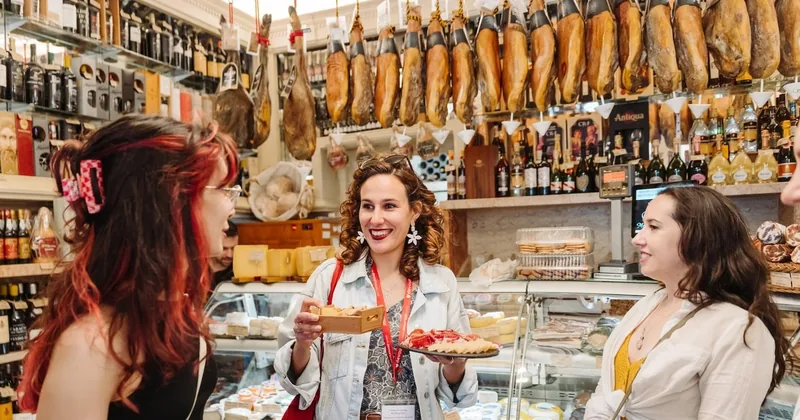
Tastes and Traditions Morning Food Walk
- A local guide and a small group
- Pastries and a bica at a historic pastry shop
- Salt cod stories and Iberian ham at a grocery
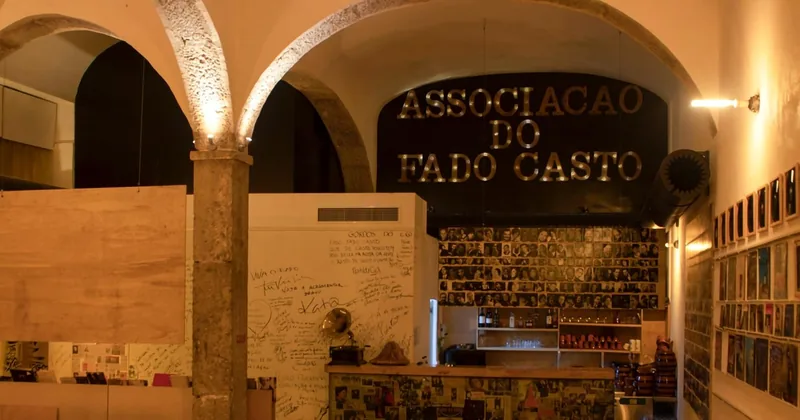
Petiscos and Wine with Live Fado
A seated evening, not a walk: long tables of petiscos and wine in a fado house while fadistas sing